
-
 English
-
 Español
-
 Português
-
 Русский
-
 Français
-
 日本語
日本語
-
 Deutsch
-
 Tiếng Việt
-
 Italiano
-
 Nederlands
-
 ไทย
ไทย
-
 Polski
-
 한국어
한국어
-
 Svenska
-
 Magyar
-
 Bahasa Melayu
-
 বাংলা
বাংলা
-
 Dansk
Dansk
-
 Suomi
Suomi
-
 हिन्दी
-
 Filipino
-
 Türkçe
-
 Gaeilge
-
 العربية
-
 Bahasa Indonesia
-
 Norsk
Norsk
-
 اردو
اردو
-
 Čeština
-
 Ελληνικά
-
 Українська
-
 Basa Jawa
-
 فارسی
فارسی
-
 தமிழ்
தமிழ்
-
 తెలుగు
-
 नेपाली
-
 မြန်မာ
-
 Български
-
 ລາວ
ລາວ
-
 Latina
-
 Қазақша
-
 Euskera
-
 Azərbaycan
-
 Slovenčina
-
 Македонски
-
 Lietuvių
-
 Eesti
Eesti
-
 Română
-
 Slovenščina

How does the traffic cone robot improve the efficiency of road warning zone deployment through autonomous movement?
2026/07/21
With the development of intelligent transportation and smart road management, the traditional method of manually carrying and placing traffic cones is increasingly unable to meet the safety requirements of complex road environments. In scenarios such as highway construction, tunnel maintenance, and accident handling, quickly deploying warning zones not only affects construction efficiency but also directly impacts the safety of on-site personnel and vehicles. The traffic cone robot, through autonomous movement technology, combines intelligent navigation, automatic deployment, and remote control, upgrading road warning facilities from manual placement to automated management, significantly improving the construction efficiency of warning zones.

The biggest advantage of the traffic cone robot is its autonomous movement capability, eliminating the need for personnel to enter hazardous areas and place cones individually. Through its built-in positioning system and intelligent control module, the robot can automatically move to the designated location according to a preset route and complete the deployment of warning zones as planned.
In the early stages of road construction, workers only need to send deployment commands through a cloud platform or control terminal, and the traffic cone robot can automatically move to the target area, quickly forming a continuous warning tape. For example, during highway maintenance, robots can automatically arrange themselves into straight or arc-shaped queues based on the work area, quickly isolating roads and significantly reducing the risk of human intervention in traffic.
2. Precise Positioning Improves the Accuracy of Warning Zone Placement
Traditional manual placement of traffic cones is easily affected by the environment, distance, and personnel experience, potentially leading to uneven spacing and positional deviations. The traffic cone robot, however, employs high-precision positioning technology, achieving centimeter-level position control to ensure each warning node meets preset requirements.
Through its positioning system and autonomous navigation algorithm, the robot can automatically adjust its position based on road conditions, making the warning area more standardized. Furthermore, when the work area changes or road conditions alter, the robot can replan its route, quickly adjusting the warning area and avoiding manual re-movement, thus improving overall management efficiency.
3. Intelligent Obstacle Avoidance Ensures Operation in Complex Environments
Road environments typically contain vehicles, construction equipment, and temporary obstacles. Autonomous movement requires not only the robot's ability to move but also its environmental awareness. The traffic cone robot uses devices such as LiDAR and ultrasonic sensors to detect the surrounding environment in real time, automatically identifying obstacles and adjusting its route during movement.
This intelligent obstacle avoidance function enables the traffic cone robot to adapt to complex environments such as construction sites, tunnel entrances, and urban roads. Even when faced with sudden obstacles, it can stop or change direction in time, ensuring safe operation and improving the stability of the warning deployment process.
4. Group Collaborative Movement Enhances Large-Scale Management Efficiency
The traffic cone robot can not only work independently but also supports multi-device collaborative control. Through a wireless communication network, multiple robots can form an intelligent queue, moving and adjusting their positions synchronously according to road needs.
For example, in large-scale road closures or emergency traffic accident handling, managers can control multiple robots simultaneously to complete the construction of large-scale warning areas in a short time. The robot formation can be adjusted according to actual needs, including straight lines, arcs, trapezoids, and other forms, making road guidance more flexible and efficient.
5. Remote Intelligent Management Reduces Manual Operation Pressure
Combined with an IoT cloud control platform, the traffic cone robot's autonomous movement function enables remote management. Staff can view the equipment's location, battery status, and operating conditions in real time and remotely adjust the deployment plan according to road changes.
In emergency situations, such as vehicle accidents or sudden road closures, management personnel can deploy robots for rapid warning deployment without going to the scene. This not only shortens response time but also reduces the safety risks for personnel operating in hazardous areas.
6. Promoting the Intelligent Development of Road Safety Management
Through technologies such as autonomous movement, precise positioning, intelligent obstacle avoidance, and group collaboration, the traffic cone robot significantly improves the efficiency of road warning zone deployment. Compared to traditional manual placement methods, it can complete traffic guidance tasks faster and more accurately, while reducing the opportunity for personnel to be exposed to hazardous environments.
In the future, with the continuous improvement of intelligent transportation systems, the traffic cone robot will play an even greater role in highway management, urban road maintenance, tunnel safety early warning, and traffic organization for large-scale events, providing more intelligent, efficient, and reliable solutions for modern road safety management.
Latest News
-
How does the traffic cone robot improve the efficiency of road warning zone deployment through autonomous movement? 2026/07/21
The traffic cone robot, through autonomous movement technology, combines intelligent navigation, automatic deployment, and remote control, upgrading road warning facilities from manual placement to automated management, significantly improving the construction efficiency of warning zones.
-
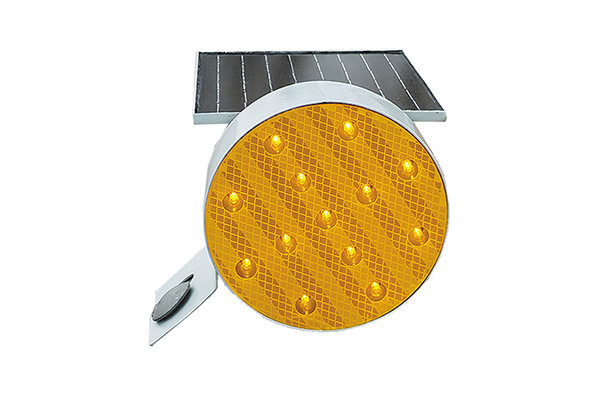 Round ≠ Simple! How Can Outline Design Of Traffic Control Signs Save Chaotic Road Conditions? 2026/01/29
There is a decisive safety gap between the driver's visual boundary and the physical boundary of the...
-
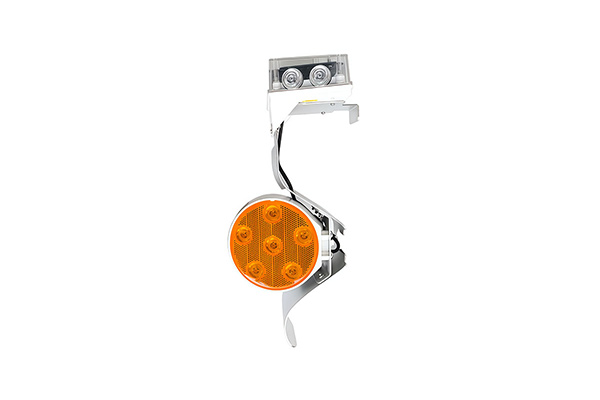 Will The Road "Shine" At Night? "Magic" Principle Of Solar Guardrail Lamp 2026/01/29
When night falls or fog locks the road, the highway is no longer a clear extension of the gray ribbo...
-
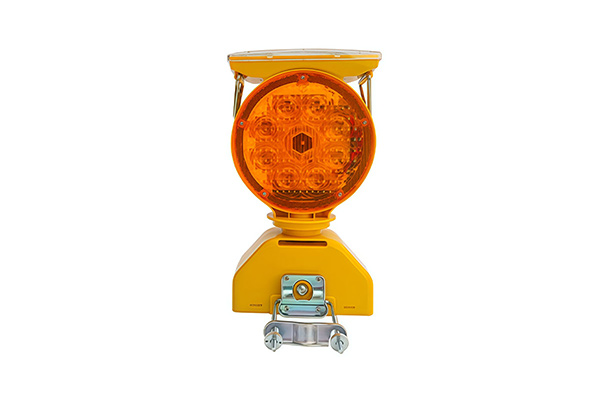 Reveal The Working Principle Of LED Solar Warning Light 2026/01/29
In the modern transportation system, driving safety is always the primary consideration. Especially ...
